
What is Citadel?
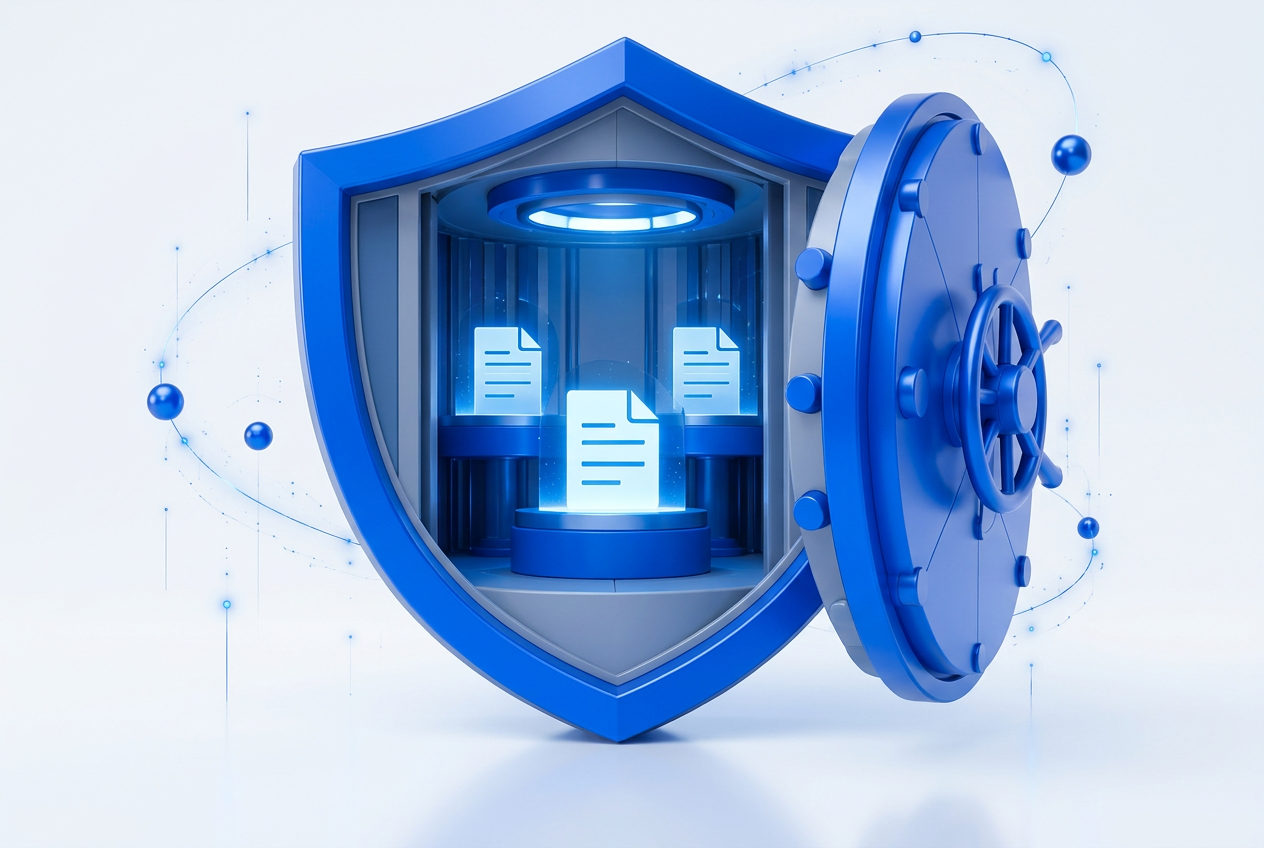
Citadel by Secured2 is a private data vault and end-to-end protection architecture for the files and information you cannot afford to lose, expose or compromise.
Citadel by Secured2 protects critical data across identity, networking, transport, storage, recovery and business continuity — in one simple private vault.
Physics-based
Protection that does not rest on an algorithm holding up
ParticleMesh™
Secure mesh networking protects data as it moves
Quantum-Secure®
Authentication and private networking protect access and connection
Continuity
Redundancy and recovery keep critical data available
Eligible Citadel deployments can include contractual cyber-risk indemnification backed by a Lloyd's of London insurance policy.* You are not simply buying storage. You are reducing and transferring risk across an end-to-end protection architecture.
* Coverage limits, exclusions, eligibility and availability are subject to the applicable policy and contractual terms.
Citadel by Secured2 is a private data vault and end-to-end protection architecture for the files and information you cannot afford to lose, expose or compromise.
Encryption protects data with mathematics and keys. Citadel adds a physics-based protection layer, reducing and separating your data so no single storage location holds a whole, readable file.
Yes. A vault can be mounted as a network drive, or reached through standard endpoints by cameras, IoT devices and applications — each with credentials of its own. What they save receives the same protection as anything you store yourself, and Citadel's private AI can analyze what arrives.
Crown-jewel data: financial records, intellectual property, board documents, legal files, contracts, AI models, source code, strategic plans, customer information, private keys and family records.

Drag files into your vault and they are protected the moment they arrive. Organise them in folders, archive what you no longer touch, search the whole vault in a second and retrieve the original whenever you need it.
There is nothing to configure and nothing to learn. The more important the information, the simpler the experience should be.
Encryption protects data with mathematics and keys. Citadel adds a physics-based protection layer designed around a different security model: your data is reduced, separated into fragments that carry no independent meaning and distributed across the storage environments you allow.
Encryption compared with physics-based protectionEncrypted data taken now is being stored until better computing can open it. Your most sensitive files are still sensitive in ten years.
Most crown-jewel exposure comes through an account that was allowed in — not a wall that was broken down.
A workplace drive keeps a whole, readable file behind a single credential. That is a single point of total loss.
Financial records. Intellectual property. Board documents. Legal files and contracts. AI models and source code. Strategic plans. Customer information. Family records. And digital assets — bitcoin keys and recovery phrases, where a single glimpse is a total loss.
What is crown-jewel data?Intellectual property & source code
Bitcoin keys & recovery phrases
Board documents & strategic plans
Legal files, contracts & financials
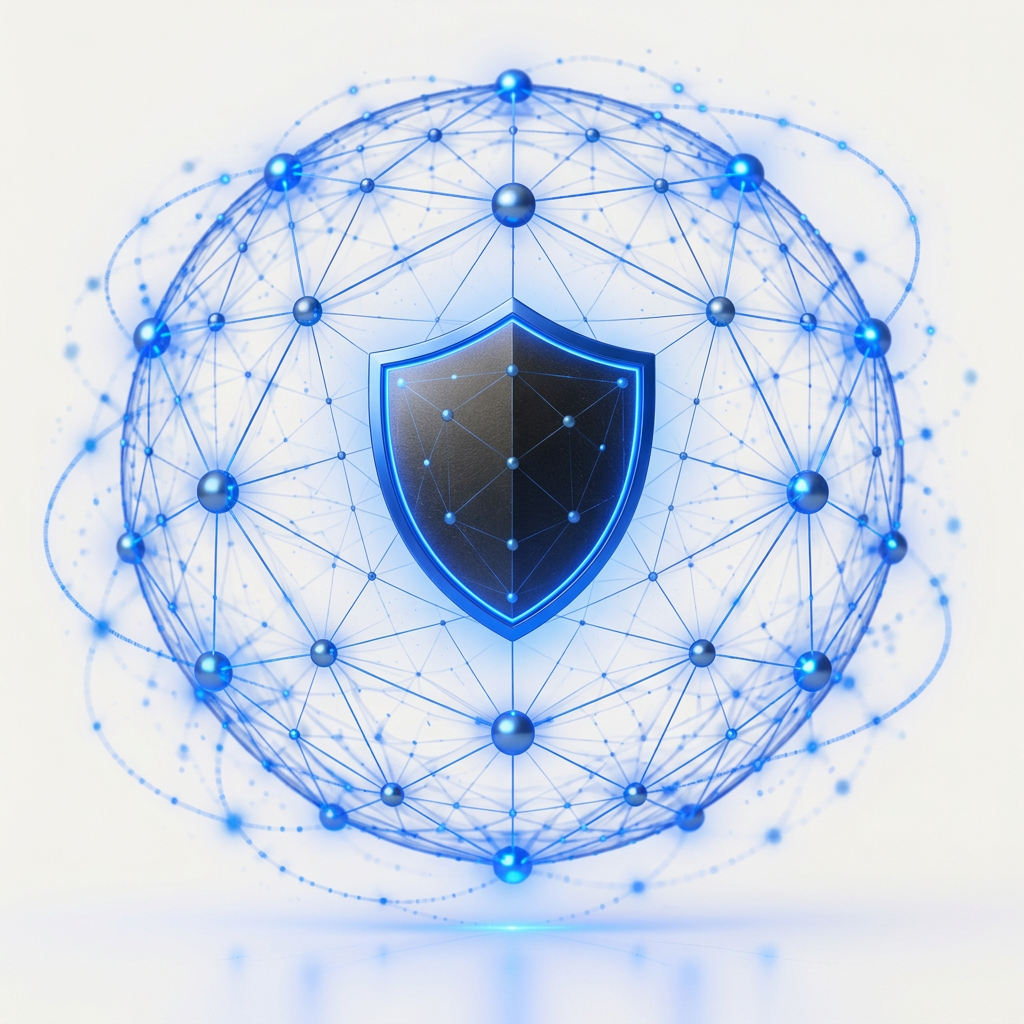
Quantum-Secure® authentication protects access. Quantum-Secure® private networking and ParticleMesh™ protect connections and transport. Secured2 protection is applied to the data itself, while multi-location redundancy, recovery and continuity help keep it available.
Every vault is more than a place to drag files. It is a secure destination your devices and applications can write to — and read from — inside the same end-to-end protected environment.
Mount a vault as a drive on your computer. Save from the applications you already use — protection is applied the moment data lands.
Point video cameras and IoT devices at a vault. Clips and readings arrive securely, in short pieces, on your schedule.
Give an application credentials of its own and a standard endpoint to push data in and pull data out. Two-way, by design.
Anything that arrives can be analyzed. Citadel's private AI turns what your devices saved into answers you can search.
Citadel runs in the cloud, across a hybrid arrangement, or entirely within infrastructure you control — and every client is set up and looked after by a named person, not a ticket queue.
Protect information within your cloud strategy without changing how leaders reach Citadel.
Bring cloud and private infrastructure together in one deliberate storage approach.
Keep protected information within infrastructure your organisation directly controls.
Dropbox is where you keep your files. Citadel is where you keep the files you cannot afford to lose. No sharing, no guests, no links — because every one of those is a way out.
Citadel compared with DropboxDrag. Drop. Store. Retrieve.
The more important the information, the simpler the experience should be.
End-to-end protection for the information your organisation cannot afford to lose. Start free for 14 days.